EOI

About Us

A movement for change.

The Young Women’s Christian Association (YWCA) is a global movement working for the empowerment, leadership and rights of women, young women and girls in more than 120 countries.

Our members and supporters come from different faiths, ages, backgrounds, beliefs and cultures, connected by a shared commitment to dignity, equality and justice.

In India
94Associations
across the country

Rooted in communities.

YWCA of India, headquartered in New Delhi, works through its associations and networking partners to address inequality, injustice and the needs of marginalized communities across the country.

Change takes many forms.

Our work takes many forms, but always begins with women and girls: their voices, their choices, their rights and their futures.

From influencing policy to building leadership and creating spaces of safety, our work is rooted in the belief that women and girls have the power to shape their own futures.

What drives our work.

Our vision gives us a clear picture of the world we want to help create. Our mission guides how we respond to the realities faced by marginalized communities through meaningful programmes, partnerships and action. Together, they shape our commitment to advancing rights, strengthening leadership, protecting human dignity and caring for the environment.

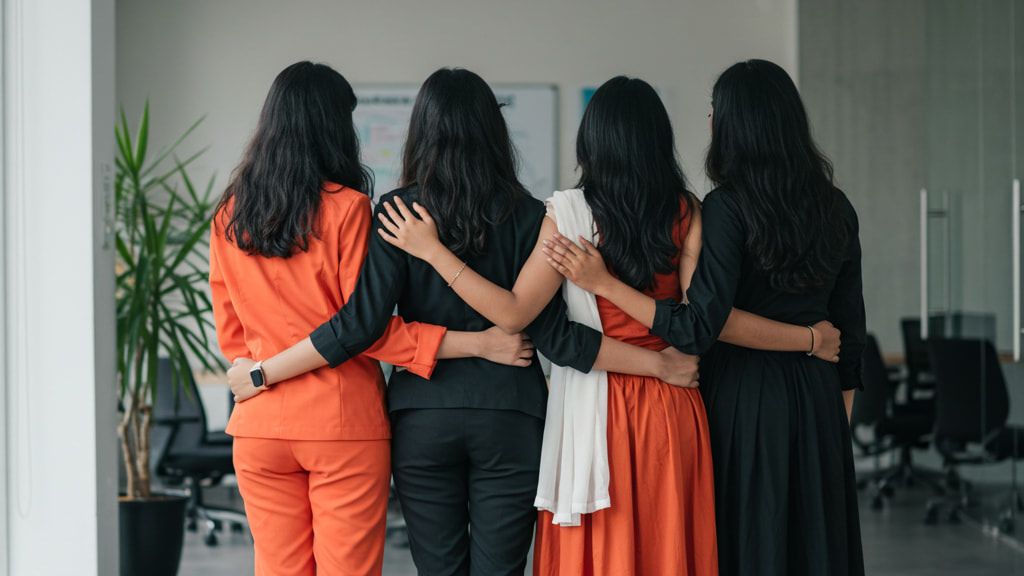
Four women standing arm in arm, seen from behind

Our Vision

A world where equality can thrive.

The YWCA in India remains steadfast in its commitment to empowering women and girls to confront gender inequity, social and economic disparities, caste-based discrimination, and all forms of violence.

In a world increasingly marked by environmental degradation and human rights violations, the YWCA – one of the largest women’s movements globally – stands poised to be a powerful force for social transformation.
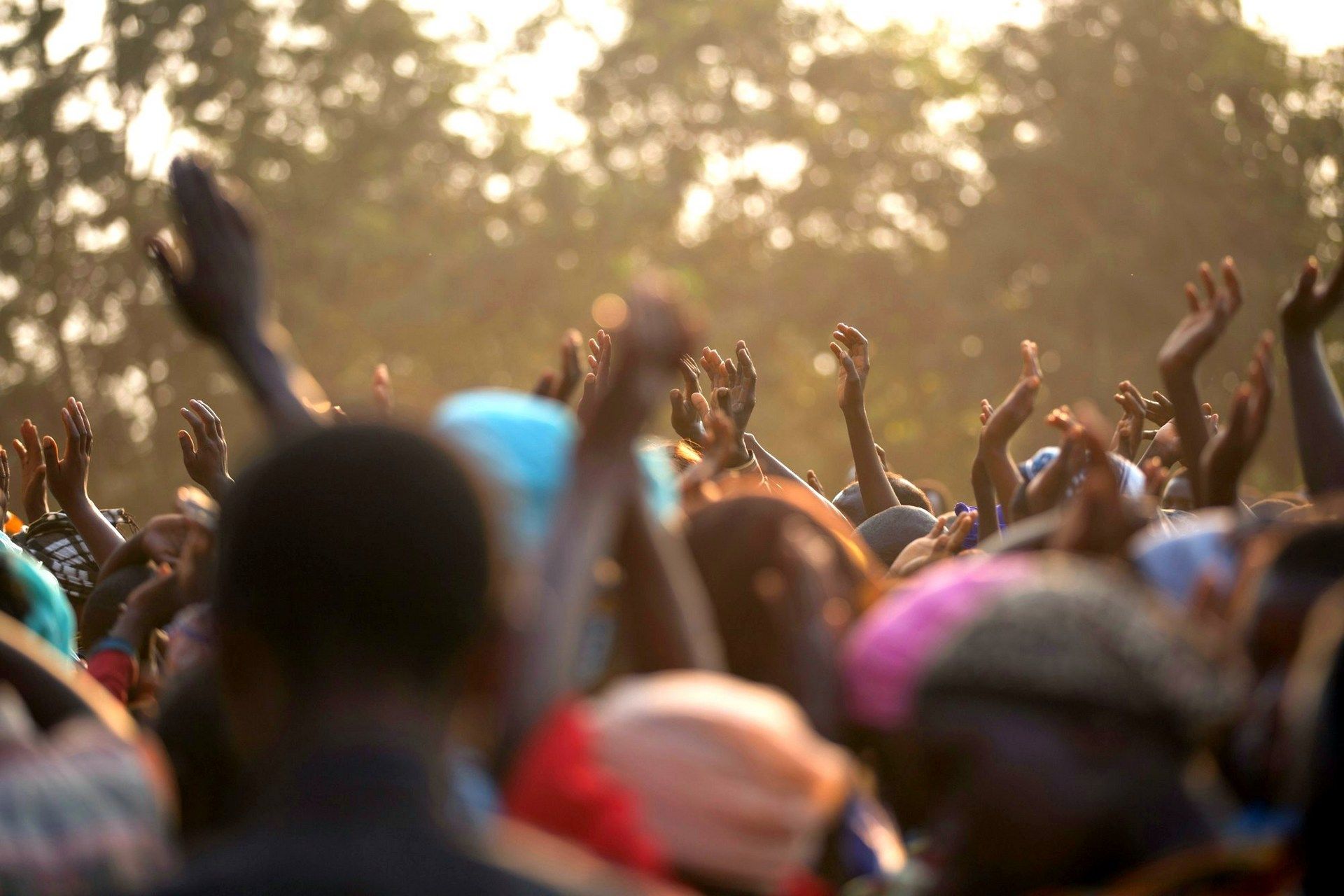
A crowd raising their hands outdoors in warm sunlight

Our Mission

Turning commitment into action.

In a rapidly changing world, the YWCA of India is called to respond with timely and effective interventions through programmes and projects that address the needs of marginalized communities.

We strive to be inclusive of all people – regardless of age, class, caste, creed, or religion – while remaining firmly committed to upholding human dignity and protecting the environment.

The Global Movement

World YWCA

As the largest organisation of its kind, World YWCA engages millions of women, young women and girls around the world each year, across cultures and beliefs, to transform their lives and the world, for the better.

With a presence in more than 120 countries, World YWCA’s work is grassroots-driven, grounded in local communities, and rooted in the transformational power of women.

World YWCA provides support and opportunities for women, young women, and girls to become leaders and change-makers who not only protect their rights and impact their communities, but also inspire their peers to do the same.

World YWCA is focused on building a strong, intergenerational network of women leaders, with programmes led by and for women in response to the unique needs identified within their communities.

Visit World YWCA (opens in a new tab)
THE YWCA LOGO

More than a symbol

A triangle, a line across it,
and one colour we have never changed.

Look at our logo for a moment and you are looking at something older than the organisation that carries it. Three equal sides. A band running through the middle.
Deep blue, always.

Three parts. One idea.

THE TRIANGLE

Three sides, one whole woman

The triangle came first, and it came with an argument attached. In the 1800s a woman’s education was routinely cut into pieces – some schooling if she was fortunate, moral instruction if she was not, and almost never anything for the body or the mind together. The founders refused that split.

They chose a figure with three equal sides because no side of a person outranks another: body, mind and spirit, developed together or not at all.

THE LINE

The line that changes everything

Then there is the bar across the centre, and it carries the part of our work that a triangle alone cannot hold: the person in relationship with others.

A woman who is strong, educated and grounded in faith, but alone, is not what the YWCA was built for. The line is community – sisterhood, association, the hostel corridor, the training hall, the members' meeting.

It is also, not by accident, where our name sits. What holds the mark together is what holds the movement together.

THE COLOUR

Why blue

Because it was ours. The YMCA had made the red triangle its own, while the women’s movement embraced blue as a symbol of its own identity and purpose. Blue became our sign – on hostel gates, on wartime centres, on the branch boards of associations that in some places were known simply as "the Blue Triangle."

For thousands of women arriving alone in a strange city with one bag, the blue triangle was not a brand. It meant a bed tonight, a door that locked, and someone expecting you.